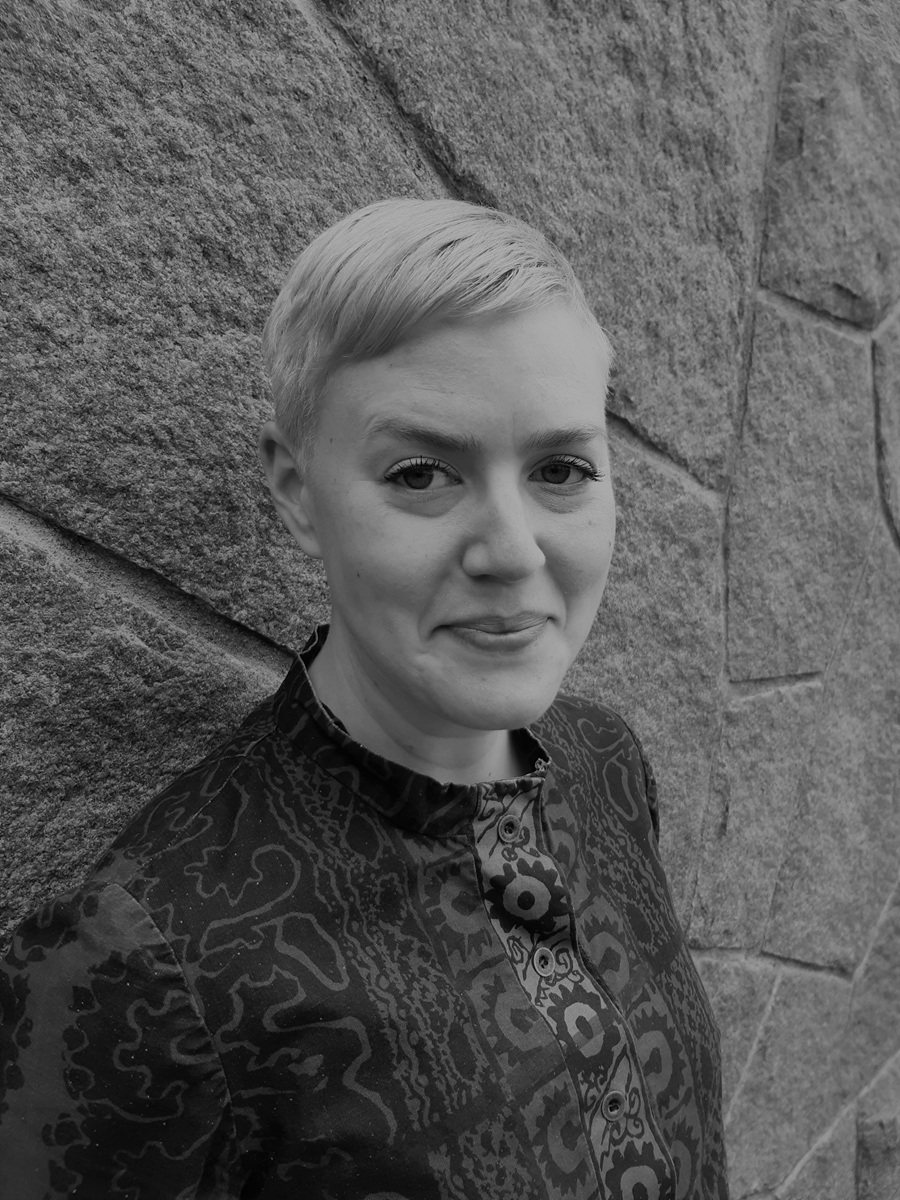
Meet the speaker: Helen Wyld

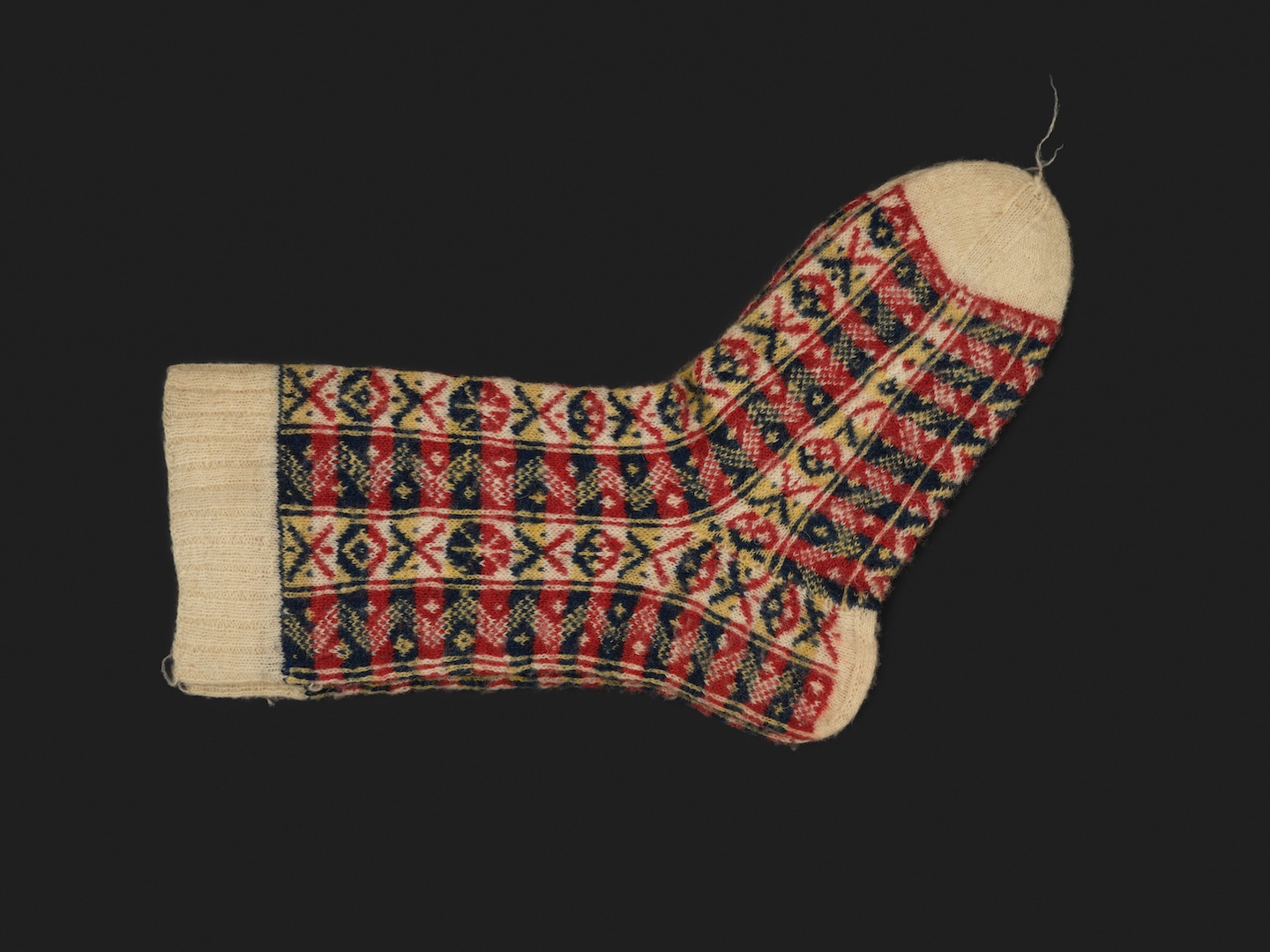
Knitted stockings (A.248.8), Fair Isle, 1850-1857

The next annual Knitting History Forum conference is on Saturday 7 February 2026, with presentations on the history of knitting. The conference is hosted online and tickets are available to purchase

The Fair Isle knitting collection at National Museums Scotland: history, craft and identity

Helen Wyld, Senior Curator of Historic Textiles, National Museums Scotland

Fair Isle knitting, with its brightly coloured geometric patterns, is one of Scotland’s most recognisable exports. A constant presence in global fashion since the 1920s, it is still produced by hand knitters in Shetland today. But despite its omnipresence, the origins of Fair Isle are not well understood. This is a result of the poor survival of early examples, a lack of documentary evidence, and a focus on the role of Fair Isle in 20th century fashion in the literature. 

The collection at National Museums Scotland, which has never been the subject of serious study, has the potential to change the interpretation of the early history of the craft. Three groups of objects, which are dated to the 1850s, 1870s and 1880s, thanks to their documented museum history, provide a concrete starting point for dating and assessing early Fair Isle knitting.

These objects also provide a unique insight into the ways that Fair Isle was described, marketed and consumed in its early decades. Drawing on internal museum documentation, donor records, the catalogues and reviews of international exhibitions, publications by Shetland residents, and contemporary trade material, Helen Wyld will explore the mythology that surrounded Fair Isle knitting from its first ‘public’ appearance, at the 1851 Great Exhibition. She will show that the qualities of authenticity, hand craft and local specificity that are today embedded in the Fair Isle brand have their origins in the mid-19th century, and were both a reaction against, and a product of, the rapid industrialisation of the period.

Biography for Helen Wyld

Helen Wyld is Senior Curator of Historic Textiles at National Museums Scotland, where she is responsible for European and Scottish textiles from the medieval period to 1850. Helen is a specialist in the history of European tapestry, and her book The Art of Tapestry was published in 2022. Her research interests range from medieval woven silks to Paisley shawls and Scottish knitting

Image: Knitted stockings (A.248.8), Fair Isle, 1850-1857 (image: © National Museums Scotland)

Meet the speaker: Carol Christiansen

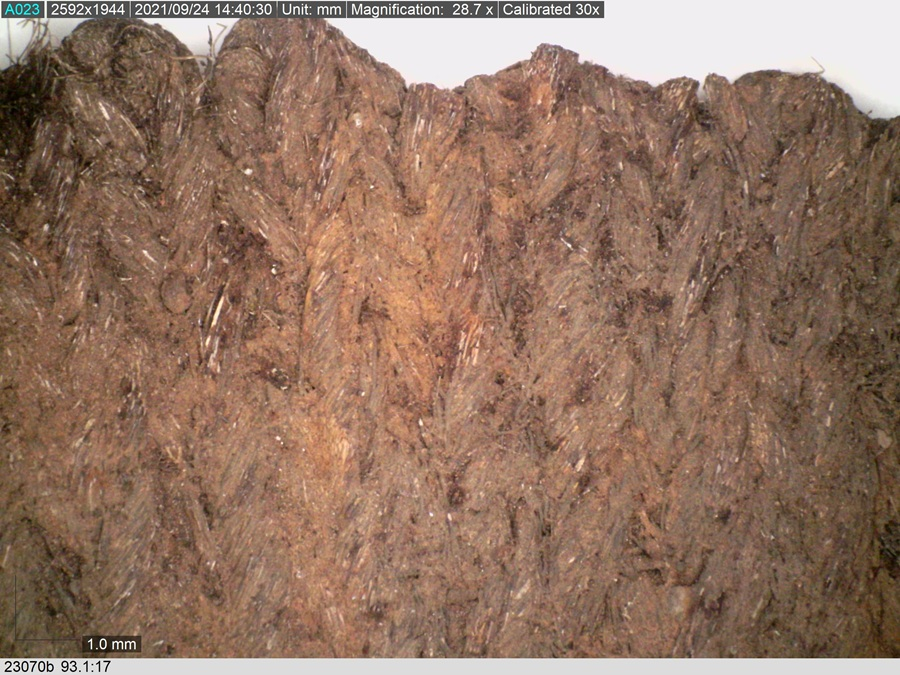
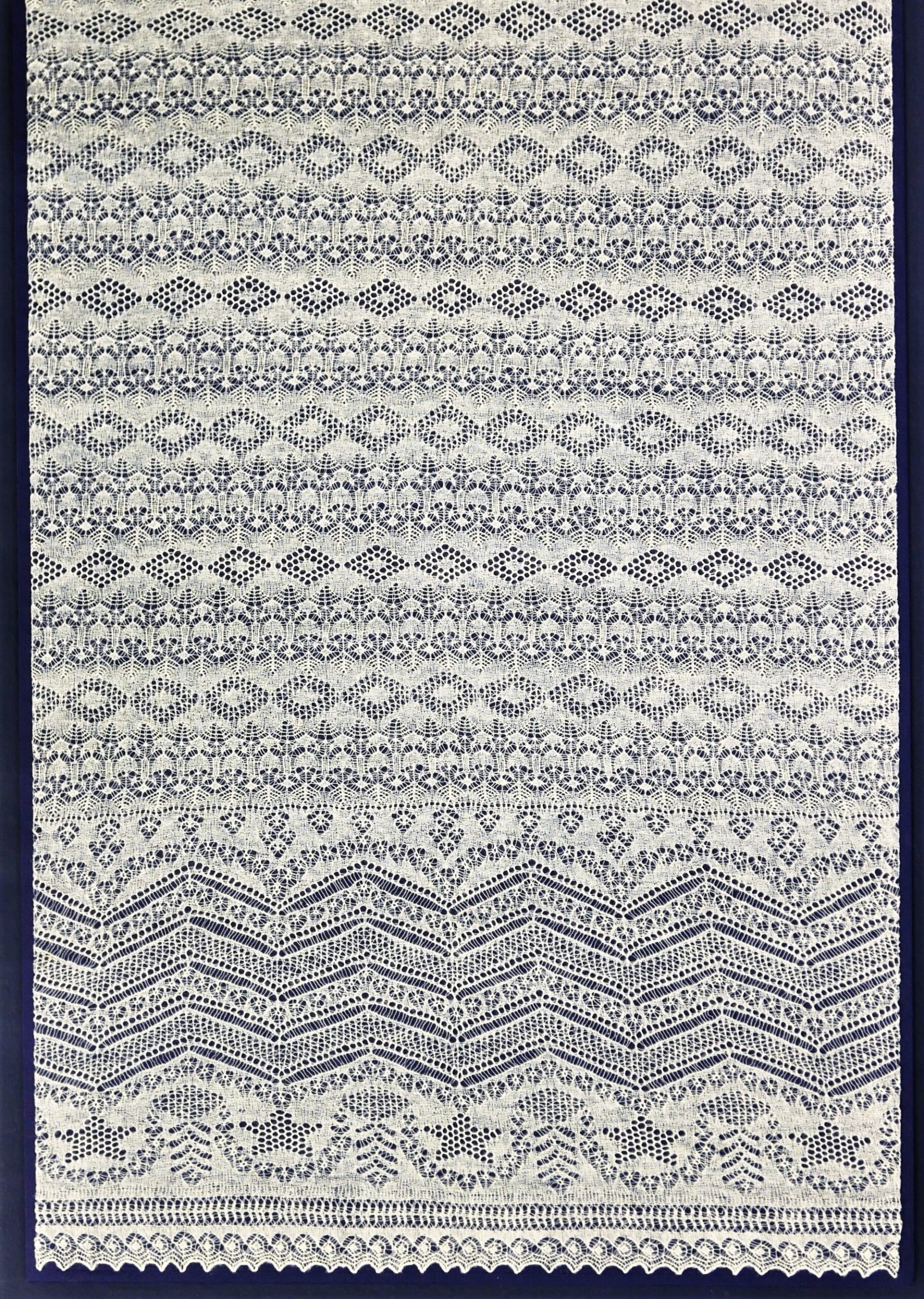
Detail of a shawl (TEX 2004.303) given as a wedding present

The next annual Knitting History Forum conference is on Saturday 7 February 2026, with presentations on the history of knitting. The conference is hosted online and tickets are available to purchase.

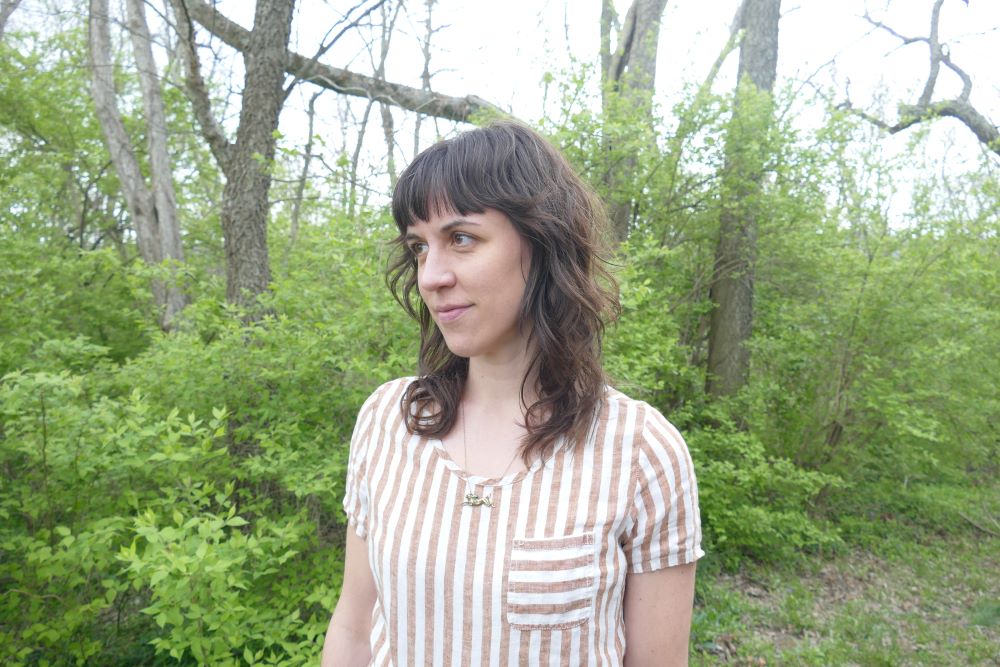
Carol Christiansen, Curator of Collections, Shetland Museum and Archives, will present Shetland Fine Lace Knitting: an overview of history and design

In the late 1830s, a form of extremely fine openwork knitting in wool emerged in a small community in the Shetland islands. Shetland Fine Knitted Lace would become part of the large international trade in fashion accessories and garments throughout the Victorian and Edwardian periods. At the same time, it challenged authors of early knitting pattern books and inspired the development of machine-knitted lace shawl manufacture in the British midlands.

This talk will explore the seemingly improbable origins and trade mechanisms of Shetland fine knitted lace, and the materials and skills required for its development. In particular, the preparation and spinning of very fine wool from the Shetland sheep breed was crucial in the success of knitting design and execution. The important role of the hand-spinner, separate from the designer-knitter, will be discussed.

Surviving collections of Shetland knitted lace show a continuum of design principles, providing a way to define the craft. Primarily, motif placement and design complexity was dictated by Victorian fashion: how the garment would be worn against fashions of the day, showing off the most complex design areas of the garment as it was draped on the body. These features will be shown with examples of 19th century garments from Shetland Museum’s collection.

In the second half of the nineteenth century, the East Midlands began to develop machines which could produce fine shawls in openwork knitting. For a time these garments were marketed as Nottingham-Shetland lace, in an attempt to mimic and undercut the hand knitting cottage industry in Shetland. Both crafts survive today and their differences in design and manufacture will be discussed.

Some lace knitters experimented with new styles, possibly as a result of commissions, keeping abreast of fashion from the 1850s into the first half of the twentieth century. The change from designing and making 2-dimenional garments to blouses beginning in the 1920s will be explored in light of a reliance on traditional Shetland knitting techniques to create 3-dimensional lace garments in the round. The Victorian specialised craft continues to inspire into the 21st century, from local makers to haute couture designers.

Biography for Carol Christiansen

Carol Christiansen has been Curator of Collections at Shetland Museum and Archives since 2006.  She received her doctorate in Archaeology with a specialism in textiles from the University of Manchester in 2003. Her research on Shetlandic, Scottish, and Nordic archaeological and historical textiles has been published widely. She is the author of Taatit Rugs: the Pile Bedcovers of Shetland (2015) and Shetland Fine Lace Knitting: recreating patterns from the past (2024).

Meet the speaker: Susan Webster

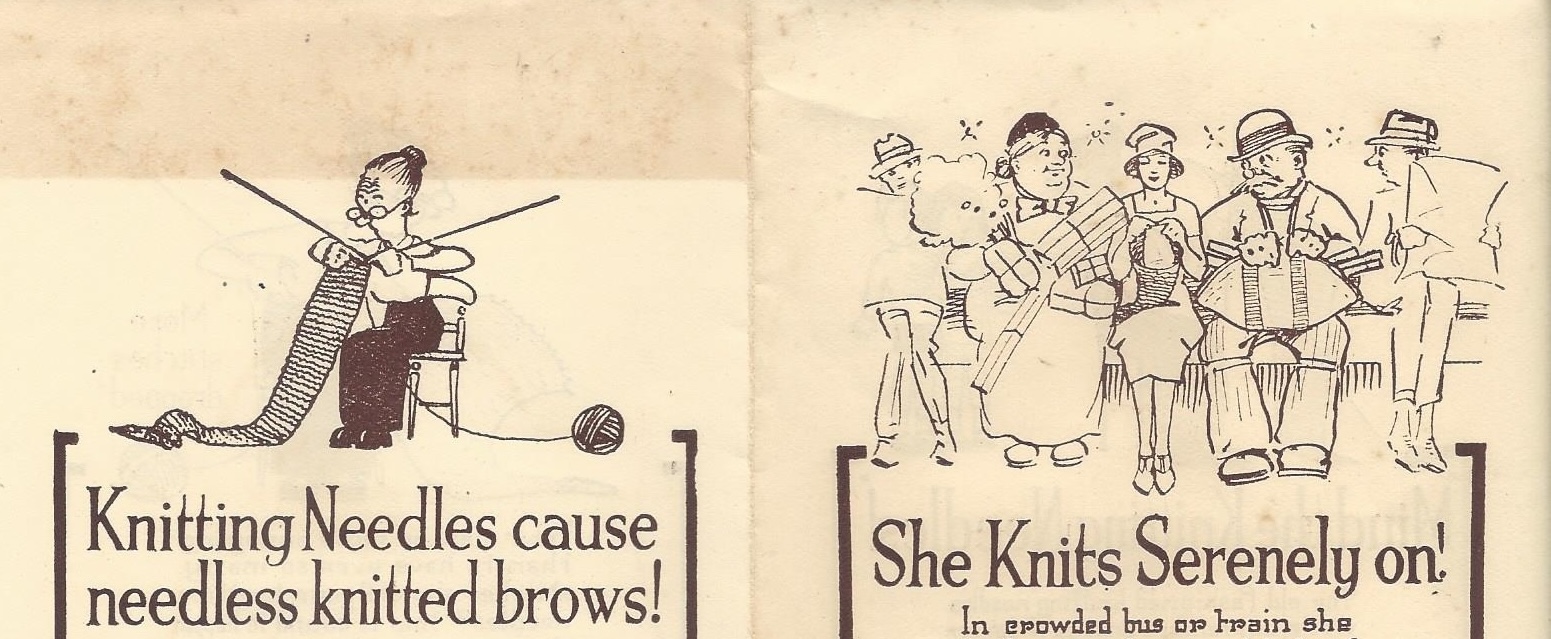
Promotional leaflet for Flexiknit (1920s)

The next annual Knitting History Forum conference is on Saturday 7 February 2026, with presentations on the history of knitting. The conference is hosted online and tickets are available to purchase.

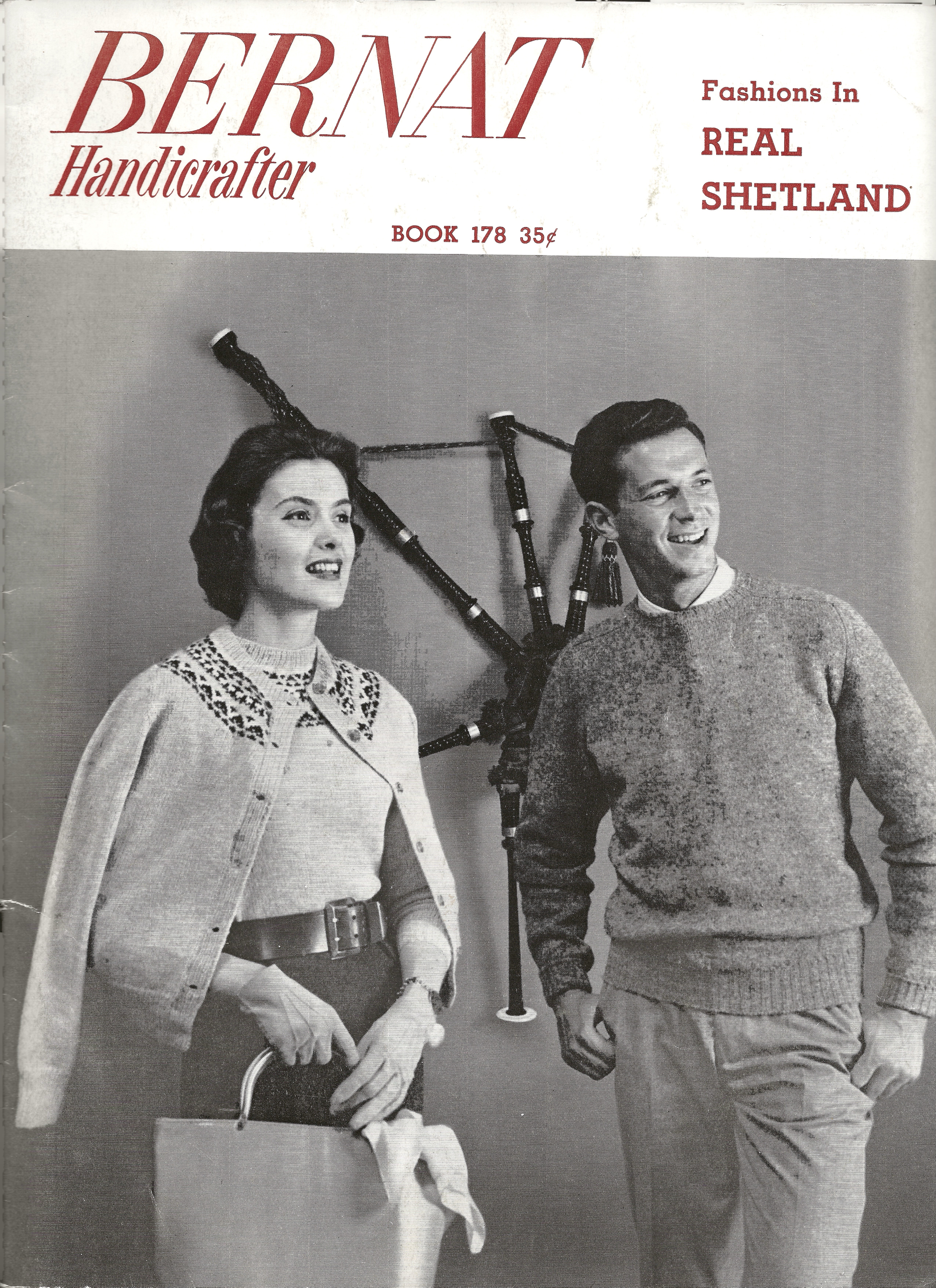
Susan Webster, collector and researcher of knitting tools, will present The development of circular knitting needles during the 20th century

The circular knitting needle is now an established tool among handknitters.  But, in fact, commercial production of circular needles is only about 100 years old.  Before that, it was double points all the way.  This presentation discusses the origin of early circulars in the UK and USA, what they were made of, and how they were merchandised.

While the earliest patents I can find are in the UK in 1893 and 1906, and in the United States in 1918, these registrations did not mean an immediate push into wool shops and haberdashery departments.  Early UK packaging such as Flexiknit and Abel Morrall’s Twin Pin give implied patent dates of 1921 and 1922.  Early circulars were all metal cable attached to a short metal pin at each end.

Marketing messages accompanied these new, boxed products and claimed that circulars were modern, easier to use, less dangerous, and reduced the risk of losing a straight needle.  US packaging was cheaper to produce – manila envelopes and cardboard backing sheets

Americans used their own distinctive marketing approach, including differentiation of needle shape and materials, claims of superiority of design, use of house-branding and buying groups. 

In the 1930s, American firms were offering rigid plastic circulars in parallel to metal circulars.  While the early materials such as celluloid and casein were easier to manipulate stitches on, the rigid plastics were hard to store and some substances were highly flammable.   Other nations too offered both metal and rigid plastic circulars.

By the late 1930s, nylon and other flexible plastics had been developed, although all such innovations were soon sucked into war production.   World War II had many effects on hand knitting tools including no nickel-plating to prevent rust, the dropping of English sizing in the US for double points and circulars, and shortages of materials which forced reliance on “make-do and mend”.

After the war, nylon moved quickly into circulars with both flexible nylon cable attached to metal pins and entirely nylon single piece circulars – similar to the earlier rigid plastics but much more flexible.  Few advances have been made in our basic tool since this era.

This research has also identified hints that circulars were used in Europe before commercial manufacture.  These needles were probably constructed from baleen or twiggy sapling growth from coppicing, but it seems that use of these circulars was dying out toward the end of the 19th century.  If any KHF participants have any information on these early tools, I would be keen to learn more. 

Biography for Susan Webster

Susan Webster is a collector of and researcher in knitting needles and tools, with a special interest in the period when commercialisation and branding of needles were being developed.

Susan grew up in the United States, but has lived her adult life in Australia.  Retired since 2003, she has built up a research database of over 1000 knitting needle brand names and manufacturers, with about 900 physical specimens.  She shares her information on her website www.knitting-needle-notions.com.au.  Many of her articles and presentations are also available on this site.

Susan has published several research articles in the TCI Bulletin and in 2024-2025 completed a three-part series on the history of circular knitting needles.  She has spoken and published in Britain and Australia too.  She is a past president of the Needlework Tool Collectors Society of Australia.

She is still a keen collector.  “The more you collect, the more you want to know,” she said. 

Knitting History Forum Conference 2026

The Knitting History Forum is pleased to announce that the next annual conference is on Saturday 7 February 2026, with presentations on the history of knitting. The conference is hosted online.

There is an exciting programme of speakers.

Tickets (at £27) are now on sale on eventbrite, click here to buy now.

Please do subscribe to the Knitting History Forum’s newsletter. You can also sign up to the KHF online discussion group.

The Knitting History Forum is an international network for the history of knitting and crochet. KHF advances and promotes the history of knitting through research, exchange of ideas and information, and by historical reconstruction. Bookmark the KHF website!